Washington moves cars in every direction, every week, with a rhythm all its own. Capitol Hill staffers on temporary assignments, military families executing PCS orders, diplomats rotating home, students between semesters, collectors shuttling between auctions and climate-controlled garages. The reasons vary, but the questions tend to converge on one point: do you book open transport or spring for enclosed?
I’ve arranged, supervised, and sometimes hand-holding-managed vehicle moves in and out of the District for more than a decade. The right choice rarely comes from a simple price comparison. It comes from blending the value of the car, the nature of the route, time of year, pickup and delivery realities inside the Beltway, and your personal tolerance for risk, dust, and delays. Let’s walk through how experienced Washington DC car shippers weigh these decisions, with practical detail you can use before you sign anything.
The two trailer types, in plain terms
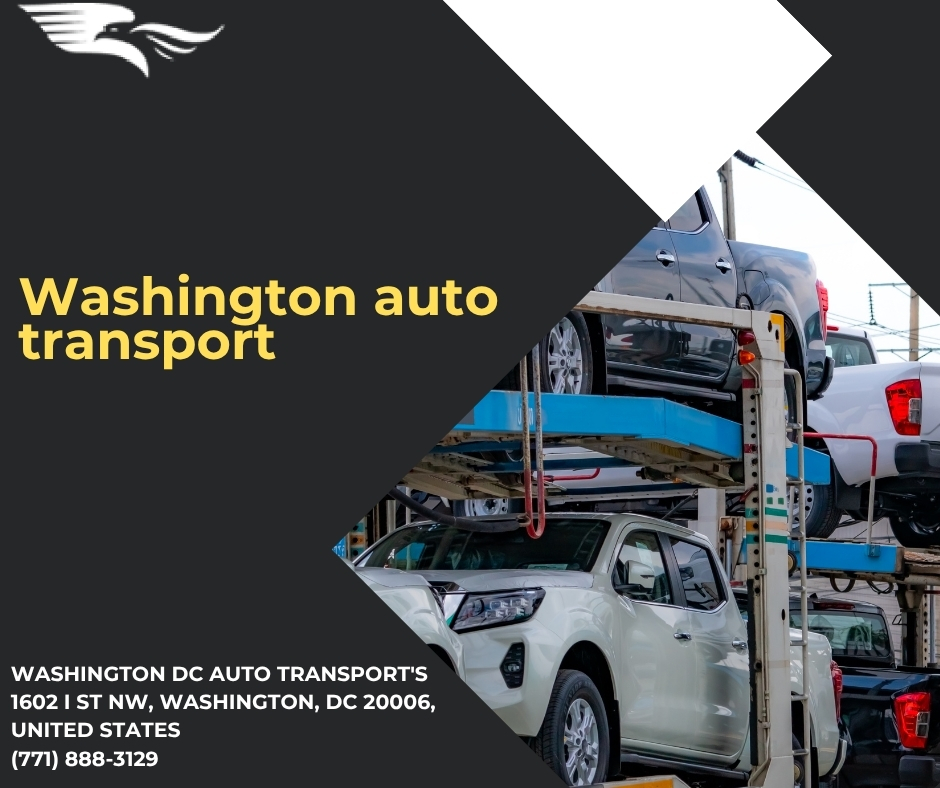
Open transport is what you see most often on I-95 or the George Washington Memorial Parkway: multi-car carriers with two decks, often hauling 7 to 10 vehicles. It is the backbone of Washington DC auto transport because it is efficient, relatively fast to book, and priced competitively. Your car rides outside, exposed to weather and road debris, but secured with industry-standard straps or chains.
Enclosed transport puts your vehicle inside a trailer. Think of a moving van designed for cars. There are soft-sided and hard-sided versions, single-vehicle hotshot trailers and larger multi-car enclosed carriers. The environment is controlled, the loading equipment tends to be gentler, and drivers are accustomed to handling low-clearance exotics, antiques, and custom builds.
Both options can be executed well or poorly. The equipment type does not replace vetting the carrier or broker. It simply sets the baseline for protection, capacity, and price.
The Washington DC factor: access, timing, and practical hurdles
Shipping in DC has quirks that matter when you decide between open and enclosed.
Access and parking, first. Many District neighborhoods cannot accommodate a 75-foot rig. Downtown, Capitol Hill east of the Capitol, Adams Morgan, and parts of Shaw and Georgetown often require a meeting point on a wider corridor, like near South Capitol Street SW, along New York Avenue NE, or at shopping center lots along the Maryland or Virginia edge. Experienced Washington DC car shippers will plan safe rendezvous points, but the bigger the truck, the trickier the approach. Open carriers are the most common and many drivers know the drill. Enclosed rigs, especially the longer multi-car trailers, can be even less nimble. If your street is tight with low-hanging trees and tight turns, budget extra time or plan to meet the driver at an agreed spot.
Timing fluctuations, second. Embassy rows and federal buildings bring heightened security protocols that occasionally ripple into road closures, especially during events, protests, or motorcades. Weather also bites hard here. Summer thunderstorms can halt loading for safety. In winter, ice along the I-270 spur or on the 14th Street Bridge can delay transit. Open and enclosed trucks both face the same traffic snarls and closures, but enclosed carriers often operate with smaller fleets and tighter schedules. If flexibility is limited, open transport’s higher frequency on popular corridors can be an advantage.
Street condition and seasonal grit, third. DC winters do not rival Minnesota, but salt and brine treatment on the Beltway and arterials can cake a vehicle quickly. Open transport will arrive wearing whatever the road throws. If the idea of salt residue on a fresh ceramic coat bothers you, enclosed makes sense in peak winter weather. Spring pollen waves also surprise newcomers. Your car can arrive with a yellow film after a long open ride in late April or May.
Cost reality: what the gap looks like and why
For typical sedans and crossovers moving along the Northeast and Mid-Atlantic corridors, open transport often ranges from the high hundreds to around 1,500 dollars depending on distance, season, and lead time. Long-haul coast-to-coast open moves from DC commonly land between 1,200 and 1,900 dollars unless you need an expedited pickup. Enclosed, especially with a reputable operator, usually commands a premium of 30 to 80 percent. For coast-to-coast, it’s common to see 2,000 to 3,000 dollars, and for specialty multi-million-dollar vehicles that require single-car enclosed service with liftgates, the number can start around 3,000 and climb.
The gap is not price gouging. Enclosed carriers are fewer in number, carry fewer vehicles per run, and carry higher insurance limits. They also spend more time on each load due to ramp angles, liftgate usage, extra padding, and inspection.
Protection levels and what “risk” really means
On open transport, the two most common forms of cosmetic exposure are road dust and tiny chips. Genuine damage from debris large enough to dent or crack is unusual, but it does happen. Think in probabilities: thousands of cars ride open every day with no issues; a small subset sees paint blemishes or windshield pitting. Weather exposure is the constant. Vehicles ride through rain, sun, and sometimes snow. Your paint will be fine, but the car will be dirty on arrival. If you are shipping a rare matte finish, soft paint, or fresh respray under 30 days old, open transport elevates risk more than most people realize because new paint can be vulnerable to etching or imprinting from contaminants.
Enclosed transport removes almost all environmental exposure and, with the right operator, reduces handling risk. The best enclosed carriers use soft straps over the tires rather than frame chains, plus wheel chocks and liftgates that keep low-splitter cars level. That matters if you have an M3 with a carbon lip, a 911 GT3, or a lowered S2000. For a standard RAV4, the delta in safety may not justify the price.
Insurance, valuation, and the fine print you should actually read
Whether you go open or enclosed, confirm the carrier’s cargo insurance limit and how it matches your car’s value. Many open carriers carry 100,000 dollars in cargo coverage per load. Split across 7 to 10 vehicles, the theoretical per-car coverage can become complicated if a catastrophic event affects multiple cars. Enclosed carriers often carry higher limits, sometimes 250,000 to 500,000 dollars per load, and premium single-car carriers can go higher.
Make sure you understand exclusions. Damage caused by “Acts of God,” like hailstorms, can be excluded. So can underbody and mechanical issues not directly caused by the carrier’s negligence. If you are driving a 140,000-dollar Taycan Turbo S, enclosed not only lowers environmental risk but also tends to pair you with carriers carrying the right policy limits. If you have a 12,000-dollar Civic, open may be the rational choice given its value and mainstream parts availability, assuming your deductible makes sense.
Loading, unloading, and the anatomy of a DC pickup
A typical Washington DC car shipping pickup starts with a dispatch call or text with an ETA window. The driver will ask about street width, tree cover, and where to meet. Expect a pre-trip inspection on a mobile app or paper bill of lading with photos. This is your evidence if something happens on the road. Take your own timestamped photos, in daylight, with close-ups of each panel, roof, wheels, windshield, and front lip. Remove toll transponders, parking permits you want to keep, and any personal items. Most carriers will not accept a vehicle packed like a moving van, and those that do will disclaim responsibility for interior items and could add a fee for excess weight.
For tight DC streets, I often suggest meeting in a shopping center lot just across the line, like along Rhode Island Ave NE or near Pentagon City if you are Virginia-side. Drivers appreciate predictability, and you will shave time and fee risk. Enclosed rigs may request even larger, flatter space for a liftgate.
When open transport is the smart choice
Open is the workhorse of Washington DC car transport. It handles daily drivers and lease returns perfectly well. If your car is a commuter, a college kid’s Jeep, a fleet sedan, or a vehicle you plan to detail the day it arrives anyway, open usually wins on value. Availability is better, especially for pickups inside the Beltway, and the broader carrier pool gives you schedule flexibility. For moves under 1,000 miles on well-traveled corridors, the chance of a material issue remains small, and drying climate in spring and fall helps.
There is an intangible upside: open transport dispatchers can often react faster. If you have a narrow window before a flight from Reagan National, open trucks cycling through the area offer more opportunities for a match.

When enclosed transport earns its premium
Some moves deserve the velvet rope. If the car’s value is high enough to make the premium negligible compared with potential cosmetic repair costs, enclosed is a straightforward decision. Classic cars with sensitive chrome and lacquer finishes, low-clearance or low-production sports cars, and vehicles with custom bodywork are textbook candidates. Enclosed also shines when you need privacy. Diplomats and high-profile owners sometimes prefer to ship unbadged vehicles without drawing attention. An enclosed trailer removes the billboard effect of an open stack showing your new G-Wagen to every onlooker near Union Station.
Fresh restorations or fresh paint should almost always go enclosed for the first month after bodywork. Winter transits during active salting or during pollen peaks are also good reasons. And if you want the car arriving ready for a wedding, show, or board meeting, enclosed lets you avoid the post-trip swirl marks that come from rushing a dirty wash.
Route specifics from DC that change the calculus
Southbound along I-95 to Florida is heavily trafficked with open carriers year-round. Pricing is efficient, and transit times are steady. If you are moving a family SUV to Naples for the winter, open is often the right answer.
To the Midwest, routes through the Alleghenies add weather volatility in late fall and winter. Salt exposure rises. If you are moving a new EV with sensitive brake components or uncoated underbody parts and you are particular about first impressions, enclosed becomes more compelling in December through February.
Cross-country to the West Coast crosses high desert, dust, and, depending on the path, mountain passes. In summer, windblown grit can be a nuisance on open rigs. I have seen black cars arrive in Los Angeles with a hazy film that needs careful washing. Enclosed eliminates that concern and tends to be the choice for long-haul high-value units.
Short intraregional hops to New York, Philadelphia, or North Carolina are efficient open moves because they piggyback on dense lanes. You can request top-deck placement on an open trailer to avoid drip from other cars, a small upgrade that some operators will honor if you ask nicely at booking.
Common misconceptions worth clearing
“Enclosed always moves faster.” Not necessarily. The enclosed fleet is smaller. If your pickup is off a main lane or you have tight dates, open trucks may get there sooner.
“Open means damage.” Most open transports arrive without a scratch, just dusty. The risk of a notable chip or scuff exists but stays low on interstates during fair weather. If a carrier promises zero risk on open, they are selling, not informing.
“Carriers allow you to fill the trunk.” Many do not. Those that allow it usually cap at 100 to 150 pounds and exclude liability for interior items. Overstuffing can cause a refusal at pickup.
“Any broker can guarantee a specific pickup day.” Brokers coordinate. Carriers drive. Good Washington DC car shippers will give you windows and realistic communication, not ironclad promises they cannot control, unless you pay for dedicated or expedited service.
A realistic decision framework you can use this week
Here is a simple, two-minute test I use with clients when choosing between open and enclosed. If three or more statements apply, enclosed likely earns its keep:
- The car’s resale or sentimental value is high enough that a paint correction or chip repair would frustrate you beyond the cost difference. The vehicle has low ground clearance, delicate aero, fresh paint under 30 days, or exposed carbon fiber. You need arrival photo-ready, with no time for a wash or detail. Pickup or delivery falls during heavy salting, peak pollen, or a dust-prone summer leg of a long haul. You require privacy or higher cargo insurance limits aligned with the car’s value.
If one or fewer apply, open is usually the rational path. Two is the gray zone where your personal risk tolerance tips the scale.
Working with Washington DC car shippers without the stress
Good outcomes rarely hinge on trailer type alone. They hinge on preparation and communication. Ask for the motor carrier number and verify the carrier’s insurance on the FMCSA Safer site. Make sure your fuel is at a quarter tank or less to reduce weight. Fold mirrors, retract antennas, and remove low-hanging aftermarket splitters if they cannot clear ramps. If you own an EV, include the charging cable and note state of charge. For a Tesla, share how to place the car in transport mode. Drivers appreciate clear instructions and reward you with smoother handling.
For the District specifically, ask ahead about loading spots. A driver who tries to force a pickup on a narrow one-way in Dupont Circle at rush hour is inviting a ticket and a headache. Washington DC car transport veterans will propose smarter rendezvous points and can articulate why they prefer them.
On delivery, do the inspection in daylight if at all possible. It is not adversarial to look carefully. It is professional. Mark anything you see on the bill of lading. If you find a minor scuff you suspect came from a strap, note it, take photos, and alert your contact before signing clear. Claims processed quickly and respectfully are much easier than delayed ones.
Seasonal pricing and timing strategies that actually work
Demand in and around DC breathes with the academic calendar and federal workforce movements. Late May through August runs hot, as do December and early January for PCS and year-end moves. If you want a better rate on Washington DC car shipping without sacrificing reliability, aim for shoulder periods: mid-September to early November, or February to April excluding spring break peaks. Book seven to ten days ahead for open, a bit earlier for enclosed. Last-minute moves can happen, but you will pay extra for expedited attention.
If you need guaranteed pickup windows, some operators offer a premium for a private, single-vehicle enclosed hotshot. It is pricey, but it is the only way to convert a window into an appointment you can control. For most, a reasonable window plus responsive updates is enough.
A few cases from the street
A Hill staffer needed a last-minute open transport for a Prius to Chapel Hill after a committee assignment shifted. We met the driver near a Rhode Island Ave NE retail lot, rolled through the inspection in five minutes, and the car arrived in 36 hours covered in the light dust of a summer squall. Cost was almost half of enclosed, and the owner didn’t care about dirt. For that move, open was perfect.
A foreign service family shipped a Land Cruiser and an older 911 to storage in Maryland before a posting. The SUV went open. The 911, with a low front valance and fresh paint, went enclosed with a liftgate. Not a vanity choice, just prudent protection for a car with harder-to-source parts and a recent respray.
A new Taycan owner wanted delivery to a parking garage near Foggy Bottom. The enclosed carrier couldn’t clear the garage height, so we met at street level in a hotel loading zone coordinated with the property manager. A few phone calls saved an hour of circling and ensured a legal stop. The detailer was waiting, and the car rolled straight to a cover.
How to read quotes without getting burned
You will likely receive multiple quotes from brokers. The cheapest Washington DC car shippers quote often assumes an optimistic dispatch price that may not move your car if the market is tighter than their spreadsheet suggests. Verify the estimated pickup window, whether the quote is binding or subject to change, and the cancellation policy. Ask if the driver is reserved or if the broker is still “posting” your job to the load boards to attract a carrier. Neither is wrong, but transparency helps you plan.
If you are quoted enclosed at a price that seems suspiciously close to open, ask what type of enclosed it is. Soft-sided can be fine, but know the difference. Ask about liftgate availability if clearance is a worry. Ask for the carrier’s cargo insurance certificate and the named insured. Reputable operators will share.
Final guidance that captures the real trade-offs
For the DC area, most daily drivers and mainstream EVs are best served by open transport, especially on short and mid-length lanes where frequency and price work in your favor. If you are meticulous about paint, timing, and presentation, enclosed earns its premium. When shipping show cars, exotics, classics, or anything recently painted, enclosed is the standard, not the splurge.
Your Washington DC car transportation services stateautotransport.com choice should balance route, season, access, and value. Optimize for the reality of Washington’s streets and the cadence of its traffic rather than the theoretical promise of any ad. And remember, the most reliable Washington DC auto transport experiences come from pairing the right trailer type with a responsive, insured, professional carrier who knows the District well enough to say, let’s meet two blocks over where the curb cut is wider. That sentence is worth more than any discount.
Contact Us:
Washington DC Auto Transport's
1602 I St NW, Washington, DC 20006, United States
Phone: (771) 888-3129